As Your Resource For Self-Development
- The Optima Bowling Coach (2025)
Optima Bowling World
(Page Created 4/29/17 Update 4/6/26)
Performance is not something you achieve; it is something consciousness learns to do. Performance, as human development, cycles across a lifetime. And in this conscious way, humanity refines functionality. Each turn returns with greater clarity, coherence, and responsibility. Spiritually, as the soul is ordered, so life is lived. (BCV 12/25/25)
The quote above conveys a simple fact of life: human development unfolds in cycles. It also suggests that performance is not a result to be chased, nor a status to be attained, but a function that consciousness refines over time. It supposes a lifespan developmental flow through the actions of four recurring movements: clarification, expansion, testing, and stabilization, where each turn of that cycle has the potential to strengthen coherence if engaged consciously. And in the finale lesson of Pythagoras-Plato-Aristotle, we enter the world of ideas as an ordered soul. The Optima Bowling World and website are organized around that configuration.
See More: Optima Bowling World Explained
The Cycle of Conscious Performance
The Cycle of Conscious Performance is utilized to communicate the development of human potential as the unfolding of conscious performance through four distinct but interrelated movements:
- Purpose: Clarifying why development is necessary and what direction it requires.
- Shared Learning: Widening perception through disciplined engagement.
- Experience: Testing understanding under real conditions and pressure.
- Ownership: Stabilizing development into character and sustained responsibility.
These movements repeat across a lifetime. When engaged deliberately, they refine intelligence. When ignored, performance collapses into mechanical, automatic repetition.
See More: Introducing The Cycle of Conscious Performance
A Developmental Invitation
If you are interested in strengthening your capacity to think clearly under pressure, to govern emotion from higher intelligence, and to participate consciously in your own development, you are invited to explore the movements of this Cycle.
- The Cycle is not a program.
- It is not a promise.
- It is not a collection of techniques.
- It is a developmental structure.
The responsibility for engaging that structure remains with the individual.
The Human Problem
Humanity does not lack information. It struggles with governance. Emotional reaction frequently outruns disciplined reasoning. Collective narratives harden into certainty before perspective has widened. Development flattens into comfort or dogma rather than ascending into coherence. Conscious performance across a lifespan offers a different orientation, one grounded in structural refinement rather than mechanical reaction.
- The work is incremental.
- The demands are real.
- The rewards are internal before they are external.
Over time, governance strengthens. And where governance strengthens, coherence follows.
The Architecture in Motion
- Purpose of Research: Purpose clarifies direction.
- Collaborative Coaching Community of Practice: Shared Learning widens perception.
- Experience Human Development: Experience tests coherence.
- Control Your Life: Ownership stabilizes responsibility.
The Cycle of Conscious Performance is rhythmic, not linear. It does not end in achievement. It matures in a stabilized coherence. And its work unfolds across a lifetime. Beneath these movements, the foundational engine of the Human System Resolve ensures development is real, not emotionally imagined.
Human System Resolve in Four Steps
We need to look at the background work first, which has produced the following systems, listed chronologically through my research and studies of the topic of Worldview and Life View:
- Elements of a Cohesive Life: clarified the most basic perspective from which human life is lived: individual subjectivity, societal intersubjectivity, environmental objectivity, and performance as interobjectivity. The first pillar helped identify the domains within which disorientation, conflict, imbalance, and growth are experienced.
- The Psychology of Lifespan Performance and Perceptual Control (LPPC model): the architecture of development and control, showing that performance is not an isolated act but part of the larger activity of research, development, performance, and activation across an individual’s lifespan.
- Performance as the Way of PIE: then brought that work closer to actual participation by naming purpose (why), integrity (how), and experience (what, where, when, and who) as the living trifecta through which performance becomes developmental rather than merely technical.
- Practical Esoterics: the first three foundational pillars of the human system were never meant to stand alone as isolated systems. Each was necessary. Each clarified something essential. Yet each, from its own unique perspective, was also incomplete. Together, they established a solid foundation for research, development, and performance; however, they did not, by themselves, fully explain the broader orientation toward which the work as a whole was evolving. So, communicating those interconnections is the task of the fourth step and final structural pillar.
See More: Human System Resolve
Begin with the Structure
If you are new to this work, begin with:
- Introducing the Cycle of Conscious Performance
- From there, explore each movement and its underlying foundations.
- Development is not declared.
- It is practiced.
And over time, it becomes who you are.
See More: Introducing The Cycle of Conscious Performance
Author Bio
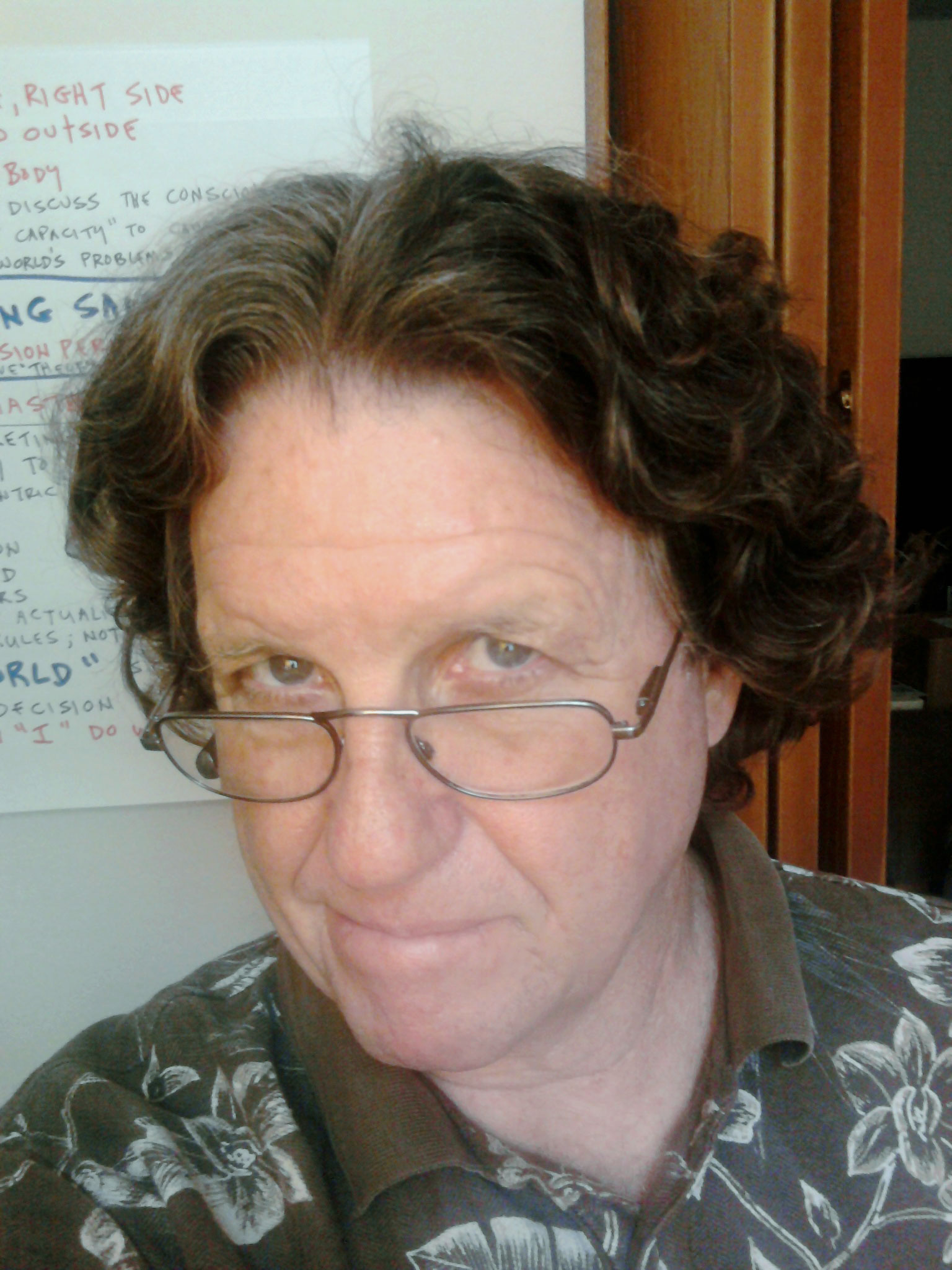
Bruce Vann is a retired USBC silver-level coach and certified corporate performance coach who uses bowling as a lens for lifelong human development. His work draws on decades of experience in athletics, competitive bowling, mentoring, and coaching, including league, tournament, and the West Coast senior tour. Honor scores: 300 game and 834 series. He publishes his methods and ideologies in human development on OptimaBowling.com. The work began with a question he asked in 1968 that still guides him today: What the hell is wrong with this crazy world of ours?
See More: About-Me