As Your Resource For Self-Development
- The Optima Bowling Coach (2025)
Researching Perceptual Control Theory (PCT)
(Page Created 3/26/20 Updated 3/24/26)
Inside the Optima Bowling World, Researching Perceptual Control Theory (PCT) names the primary explanatory mechanism underlying performance, development, and self-control. PCT reframes human behavior not as something to be shaped directly, but as the means by which individuals regulate their own experience.
This page explains why Perceptual Control Theory became necessary, what problem it resolves, and how it functions as a practical research lens rather than a belief system.
Why a New Theory Was Needed
Traditional explanations of behavior assume a simple causal flow: stimulus → response → reinforcement. Within this frame, behavior is treated as the object of control. Change is attempted through instruction, incentives, correction, or discipline. While useful for basic coordination, this approach repeatedly fails under pressure, complexity, and novelty. The persistent question became unavoidable: Why do intelligent, motivated people fail to behave as expected, especially when the stakes are high?
Perceptual Control Theory emerged to address this question by shifting attention from behavior to control itself.
The Core Insight of PCT
The central claim of Perceptual Control Theory: Behavior is not controlled. Behavior is the control of perception. It's simple and radical. Human beings act to keep their experience aligned with internally held intentional reference perceptions (i.e., what feels right, meaningful, acceptable, coherent, intelligible). Behavioral actions on the environment are merely the outward means of maintaining or correcting perceptual error.
- When perception matches reference, behavior stabilizes.
- When perception deviates, behavior intensifies or reorganizes.
This single shift encompasses a wide range of phenomena that behavior-centered models cannot explain.
What Is Being Controlled?
Perceptual control operates across multiple layers simultaneously. Individuals regulate:
- bodily sensations and movement
- spatial orientation and timing
- emotional tone and arousal
- relational signals and social meaning
- principles, values, and self-concept
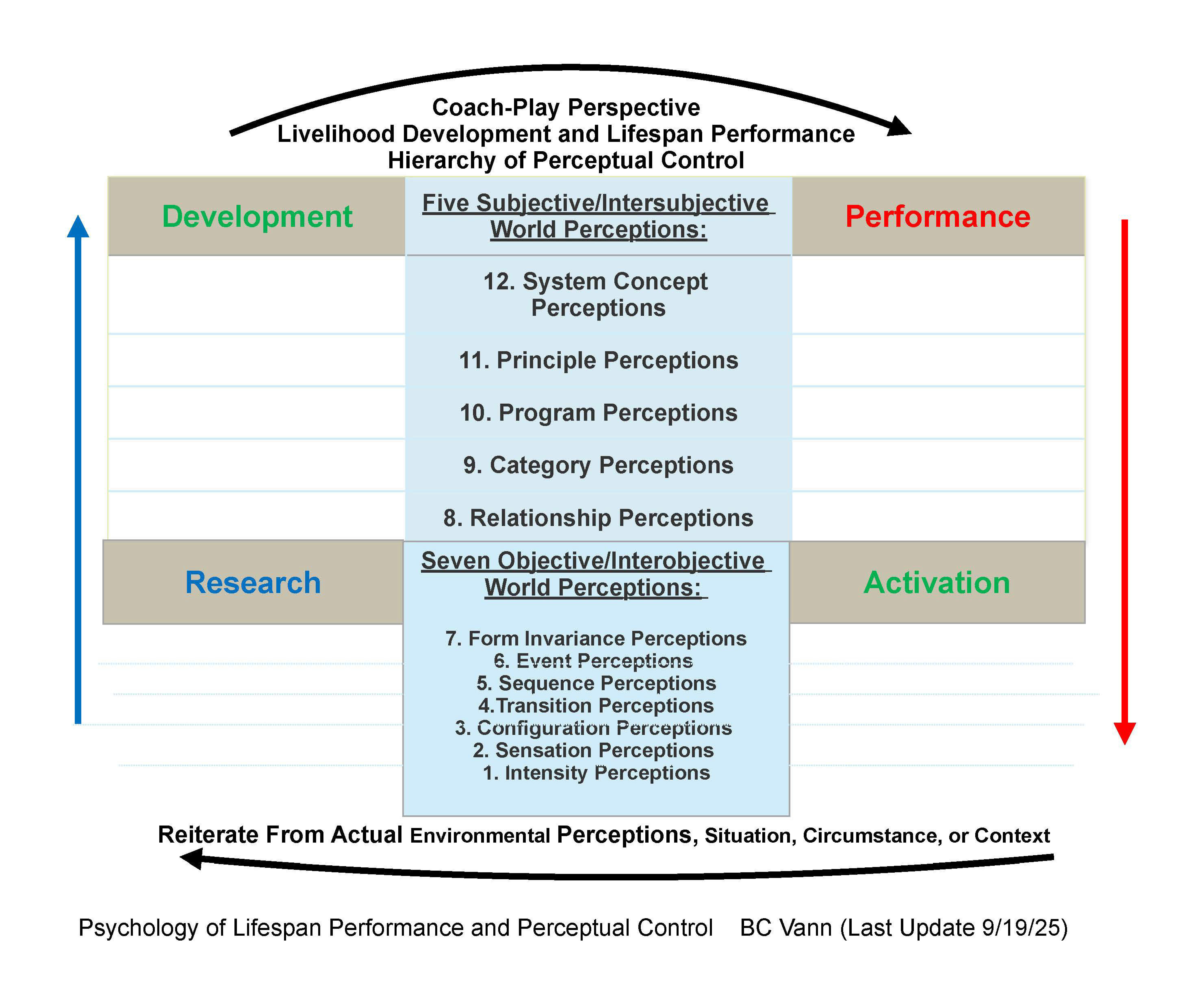
These layers form a nested hierarchy; higher-level perceptions set reference values for lower-level ones. Conflict arises when references clash across levels. PCT does not reduce behavior to mechanics. It reveals structure within experience.
Error, Not Motivation, Drives Change
In PCT, change occurs through error detection rather than through motivation. When perceived experience deviates persistently from reference perceptions, error increases.
If a perceptual error cannot be corrected through existing behavior, the system reorganizes by trying new actions, adjusting references, or revising its intentions, which explains why effort increases without improvement, why emotional intensity rises during conflict, and why breakthroughs often occur after sustained frustration. Motivation amplifies effort, and error recognition activates structural reorganization.
Why Control Cannot Be Imposed
Because control resides within the individual, it cannot be transferred or overridden directly. External demands can disturb perception, but they cannot dictate how control is restored.
Attempts to impose control typically result in compliance without understanding, resistance masked as cooperation, or brittle performance that collapses without oversight. Effective coaching, teaching, and leadership work with control systems, not against them.
Researching Control, Not Behavior
Researching PCT means studying what people are trying to control, not what they are doing. Questions transform observation into inquiry.
- What perception is threatened here?
- What reference value is operating?
- Where is conflict occurring in the hierarchy?
- What error is persisting?
Practice becomes experimentation. Performance becomes diagnostic, and this is why PCT functions as a research method rather than merely a theory.
PCT and Lifespan Development
Within the Optima Bowling World, PCT integrates naturally as Lifespan Performance & Perceptual Control (LPPC). Wherein individuals develop, reference values evolve, perceptual range expands, and control becomes more flexible and resilient.
Development is not the accumulation of skills. It is the reorganization of control systems across time. PCT provides the explanatory engine for this process.
Why PCT Was Overlooked
Perceptual Control Theory challenges deeply ingrained assumptions that behavior is the primary target of change, that authority can impose outcomes, and that motivation explains performance.
Because it undermines managerial simplicity, PCT has remained marginal in many applied fields despite its explanatory power. Within the Optima Bowling World, its value lies not in adoption but in use.
Relationship to Purposeful PIE
Purposeful PIE describes the movement of development. PCT explains the mechanism.
- Purpose establishes reference values.
- Integrity reflects alignment across control layers.
- Experience supplies error information.
Together, PIE and PCT form a complete functional loop: intention → action → feedback → reorganization.
Reflection Prompt
Recall a moment when you tried harder but felt less in control. Ask not what behavior failed, but which perception you were trying, and failing, to stabilize. That question marks the beginning of researching control.
Orientation Within the Back to the Beginning Pathway
This page marks a shift from experience to explanation, not to replace lived understanding, but to clarify it. After questions of effort, emotion, and self-control have been encountered directly, a deeper need often emerges: to understand how behavior is actually organized.
Within the Back to the Beginning pathway, this page introduces Perceptual Control Theory as a way of making sense of what has already been observed. Rather than explaining behavior in terms of traits, motivations, or external causes, it offers a structural account of how individuals regulate experience from the inside, moment by moment, by controlling input (perception) rather than output.
The pages linked below explore this perspective through concrete applications and interpretations. Each one examines behavior, learning, and organization through a control-based lens, showing how persistent problems become intelligible once the control process is understood. These pages are not presented as doctrines to adopt, but as working models that can be tested against experience.
If this page resonates, the pages that follow offer places to examine how a control-of-perceptions-based understanding of behavior reshapes education, coaching, and institutional practice without losing contact with lived reality.
Related Pages:
Resource: Go here to learn more about PCT
Author Bio
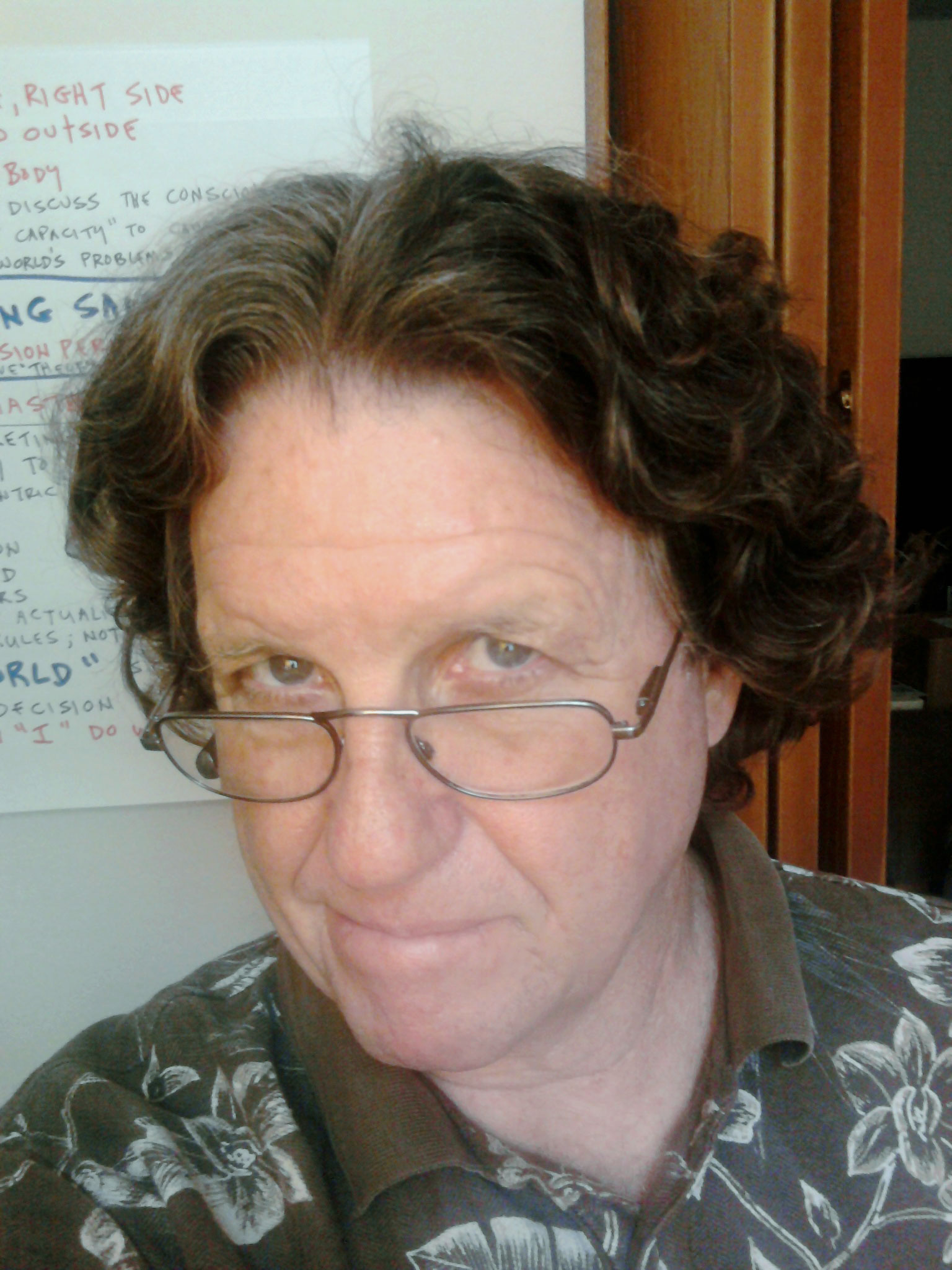
Bruce Vann is a retired USBC silver-level coach and certified corporate performance coach who uses bowling as a lens for lifelong human development. His work draws on decades of experience in athletics, competitive bowling, mentoring, and coaching, including league, tournament, and the West Coast senior tour. Honor scores: 300 game and 834 series. He publishes his methods and ideologies in human development on OptimaBowling.com. The work began with a question he asked in 1968 that still guides him today: What the hell is wrong with this crazy world of ours?
See More: About-Me