As Your Resource For Self-Development
- The Optima Bowling Coach (2025)
Elements of a Cohesive Life View
(Page Created 1/9/24 Updated 4/15/26)
Inside the Optima Bowling World, Elements of a Cohesive Life View constitutes an early attempt to articulate how human life can be lived coherently across activity, meaning, and development. Rather than proposing a belief system or philosophy to adopt, this page gathers observable elements that tend to appear whenever individuals experience their lives as integrated rather than fragmented. It is a developmental scaffold, one that allows people to recognize coherence as something that can be cultivated through attention, responsibility, and lived inquiry.
Why Coherence Matters
Most people do not lack information. They suffer from discontinuity. Effort is applied in one direction while meaning drifts in another. Values are declared but not enacted. Performance improves while well-being erodes. Over time, this fragmentation produces confusion, fatigue, and quiet disorientation.
A cohesive life view does not eliminate difficulty. It reduces internal contradictions, allowing energy to focus on an intentional, purposeful direction rather than dissipating across competing demands.
Coherence Is Lived, Not Believed
Coherence cannot be installed through agreement alone. It is not something one “has” intellectually. Coherence emerges when perception aligns with intention, action expresses understanding, and experience feeds learning rather than denial.
From the Optima Bowling World perspective, coherence is functional before it is conceptual. It shows up as steadiness under pressure, clarity in decision-making, and resilience in the face of change. Beliefs matter only insofar as they support this alignment.
Core Elements That Support Coherence
- Individual: Subjective, consciousness evolves through ascending capabilities to reach self-consciousness at the mental-causal world level. Subjectivity is our innermost perspective that tirelessly approves frames of reference to dissolve restrictive assumptions over levels of development. Our thoughts, emotions, and personal narratives guide our life path. Self-understanding allows us to set and align goals and to make choices that actualize lifespan performance potential. Yet society also shapes identity through cultural values and norms. While we internalize communal values, individual actions also gradually shift social attitudes. Navigating this relationship can facilitate or retard self-development.
- Society: Intersubjective, shared, cultural systems continuously recalibrate collective knowledge by integrating expanded considerations into ethical and rational governing principles, technologies, sciences, and arts, the fruits of our external world. Shared protocols, incentives, and accountability structures enable coordinated performance. Yet excessive rigidity dampens creativity. Societies thrive when harnessing individual talents towards common aims. Belief systems breed self-fulfilling prophecies, underscoring the need for wisdom. Exposure to diverse worldviews opens minds to re-examine assumptions.
- Environment: Objective, physical, organic reality grounds perceptive capability in lawful relationships between laws of nature (external objective environment) and the laws of life (internal subjective environment) of organisms, resources, and natural forces; the contextual soil from which human systems emerge. Nature's laws remain binding, making ecological balance imperative. Yet social progress has improved human lives in indispensable ways. Seeking unity between human self-respect and environmental sustainability is vital. Humanity's evolution of self-consciousness and the will to unity can thoughtfully adopt precautionary policies, renewable technologies, and nature-aligned design.
- Performance: Interobjective, demonstrating talent and applied ingenuity, depends on access to developmental resources while navigating changing conditions and situational contexts in our interface between self-intended and external realities. Our skills and psychology interact with social and physical contexts to shape outcomes. Flow states emerge when highly developed skills align with lofty situational challenges. Designed environments that provide appropriate scaffolding can facilitate the evolution of coaching. Workplace cultures advancing purpose, responsibility, well-being, and self-consciousness toward the mental-causal level will encourage cohesive societal achievements.
Coherence Across Planes of Life
Coherence is not achieved by perfect balance, but by alignment across planes:
- Physical–Sensory: habits, health, environment
- Relational–Emotional: trust, communication, resilience
- Symbolic–Causal: meaning, values, long-term orientation
When one plane dominates unchecked, life becomes skewed. When planes are acknowledged and integrated, coherence becomes sustainable.
Performance as a Coherence Test
Performance, whether in sport, work, or daily life, reveals coherence under pressure. Incoherence shows up as over-effort without progress, emotional volatility, rigid thinking, or dependence on external validation. Coherent performance is not flawless. It is recoverable. It reorganizes quickly because internal references are aligned; this is why performance functions as a practical diagnostic within the Optima Bowling World.
Reflection Prompt
Notice one area of your life where effort feels scattered. Identify which element: authority, purpose, experience, or responsibility, is currently underdeveloped. Adjust attention there and observe what changes. That adjustment is how coherence grows.
Back To: Human System Resolve in Four Steps
Back To: AI Chat: Worldview and Life View
Author Bio
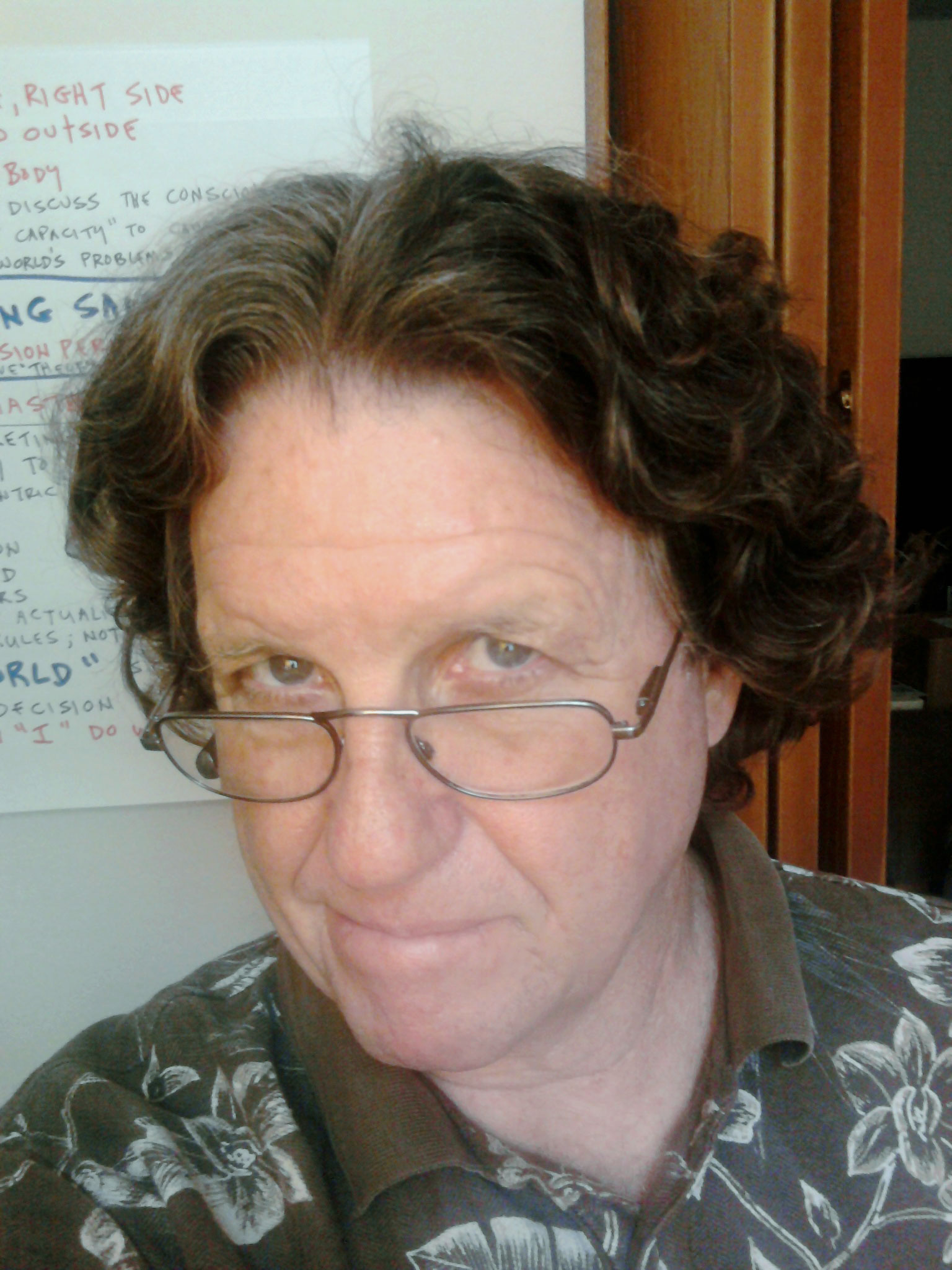
Bruce Vann is a retired USBC silver-level coach and certified corporate performance coach who uses bowling as a lens for lifelong human development. His work draws on decades of experience in athletics, competitive bowling, mentoring, and coaching, including league, tournament, and the West Coast senior tour. Honor scores: 300 game and 834 series. He publishes his methods and ideologies in human development on OptimaBowling.com. The work began with a question he asked in 1968 that still guides him today: What the hell is wrong with this crazy world of ours?
See More: About-Me