As Your Resource For Self-Development
- The Optima Bowling Coach (2025)
Traditional Performance Development
(Page Created 12/23/18 Updated 2/10/26)
Inside the Optima Bowling World, Traditional Performance Development names a transitional stage in how human beings learn to move beyond externally managed performance toward internally governed functioning. It sits between performance management, where behavior is shaped by external authority, and more advanced forms of performance versatility and optimization, in which perception, purpose, and action begin to align internally.
This page clarifies what performance development entails when internal authority first becomes operative, and why that shift represents a necessary but incomplete step in human development.
Position Within the Performance Continuum
Performance Development is the second of four major performance phases identified through Optima Bowling research:
- Performance Management: behavior guided primarily by external standards and authority
- Performance Development: the emergence of internal authority and self-respect
- Performance Versatility: adaptive application across changing contexts
- Performance Optimization: integrated, coherent functioning under pressure
Traditional Performance Development marks the threshold crossing from compliance to self-directed learning. At this stage, individuals begin to question externally imposed standards and experiment with designing their own learning processes.
The Developmental Opportunity
Human beings develop not simply by improving behavior, but by reorganizing how they relate to learning itself. Performance Development introduces a critical shift: respect for internal authority.
Instead of asking, What am I being told to do? The learner begins to ask, What am I actually trying to control in my experience? This shift does not reject guidance. It changes the source of legitimacy. Learning moves from instruction to dialogue, either with a coach or internally. Performance becomes a design-build process rather than a rule-following task.
Key principles that become visible at this stage include:
- Omnicentric organization: recognizing oneself as part of nested systems rather than a detached performer
- Infinite game orientation: valuing ongoing development over short-term outcomes
- Interconnectedness: seeing performance as relational, not isolated
- Living control system dialogue: understanding behavior as perceptual regulation rather than command execution
At this level, performance begins to be experienced as world-making—a way of shaping both self and environment through coherent action.
The Limits of Performance Management
Traditional performance management relies on the assumption that behavior can be controlled directly through standards, monitoring, and willpower. Common models of self-regulation emphasize:
- Predefined behavioral standards
- Motivation to meet those standards
- Monitoring for deviation
- Exertion of willpower to correct behavior
While effective for basic coordination, this approach carries a hidden limitation: it treats behavior as the primary lever, rather than perception.
From the Optima Bowling World perspective, this creates the illusion of control. Individuals appear compliant, but internal coherence remains fragile. Under pressure, externally regulated behavior often collapses or becomes conflictive.
Performance Development emerges precisely because this limitation becomes impossible to ignore.
From Behavioral Control to Perceptual Control
Perceptual Control Theory (PCT) reframes performance entirely. Behavior is not controlled directly; it is the means by which individuals control their perceptions. Human beings act to keep experience aligned with internal reference values. Performance Development becomes possible when learners recognize this fact and consciously engage with their own living control systems.
From this perspective, external authority can influence behavior only indirectly; genuine control resides within perceptual hierarchies, and conflict arises when imposed references clash with internal ones.
Dialogue replaces instruction because dialogue respects the learner’s control architecture. Change occurs not through force, but through reorganization—the system adjusting itself when persistent error is noticed.
Respect for People as a Developmental Requirement
At the Performance Development level, respect becomes a structural necessity rather than a moral preference. Respect for people begins with self-respect, recognizing one's capacity to govern one's perceptions responsibly. It extends outward in respect for others' internal authority. When this respect is present, conflict becomes informative rather than destructive, and learning accelerates naturally.
This movement, from individual self-respect to cultural respect, supports continuous improvement without coercion. Performance becomes heutagogy (the science of learning): learning-centered, adaptive, and durable. And the need to be respected diminishes as internal authority stabilizes. Dependence on validation decreases. Responsibility increases.
Traditional Performance Development in Practice
In practice, this stage often looks uneven. Learners experiment with autonomy while still relying on external feedback. Coaches oscillate between instruction and dialogue. Progress accelerates in some areas while stalling in others.
This instability is not failure; it is development in motion. Performance Development establishes the conditions required for later phases, but cannot complete the journey alone. Without further integration, particularly of purpose, integrity, and lived experience, performance risks stagnating at a reflective but fragile plateau.
Back to: Beyond Ordinary Coaching
Author Bio
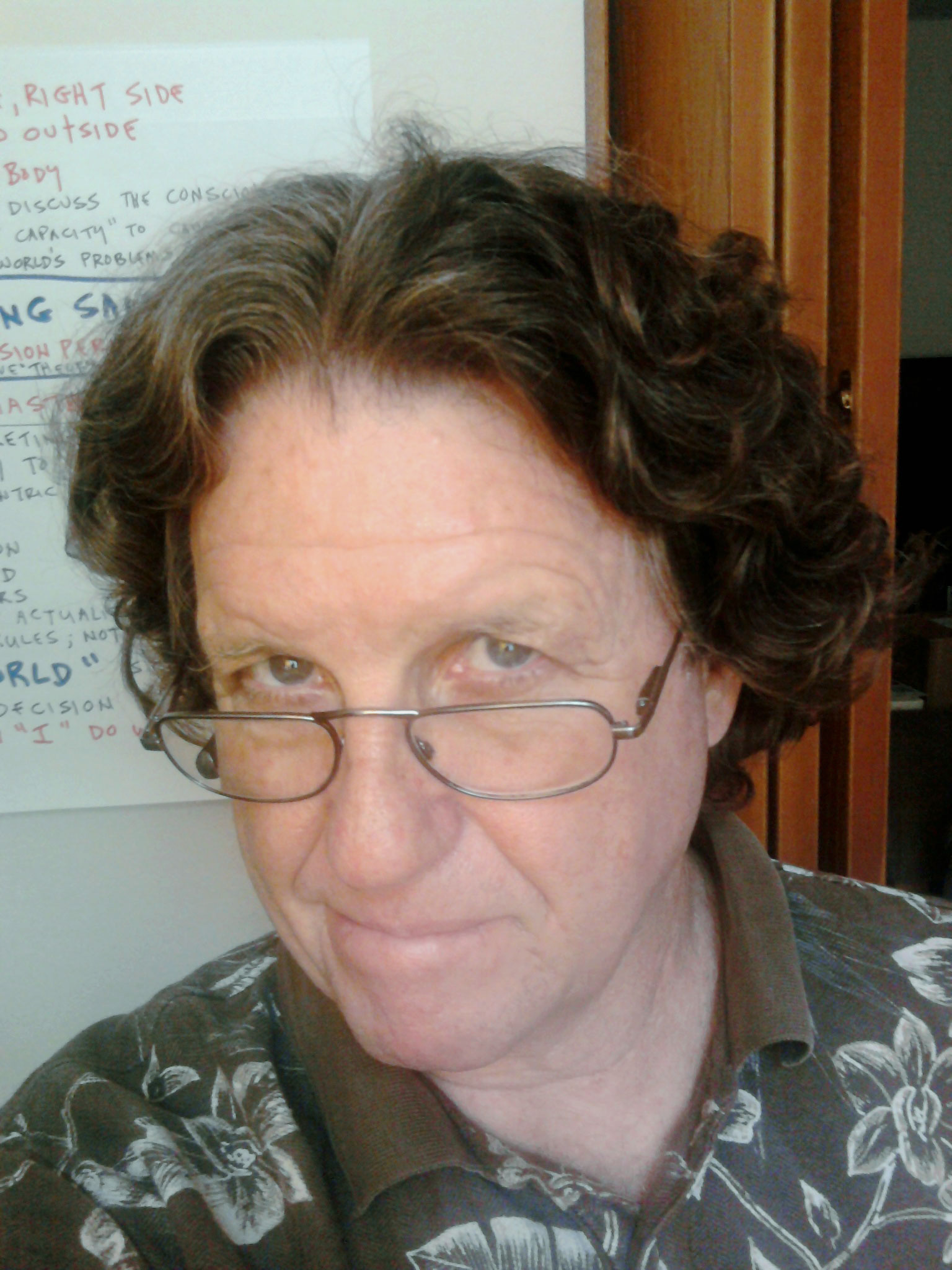
Bruce Vann is a retired USBC silver-level coach and certified corporate performance coach who uses bowling as a lens for lifelong human development. His work draws on decades of experience in athletics, competitive bowling, mentoring, and coaching, including league, tournament, and the West Coast senior tour. Honor scores: 300 game and 834 series. He publishes his methods and ideologies in human development on OptimaBowling.com. The work began with a question he asked in 1968 that still guides him today: What the hell is wrong with this crazy world of ours?
See More: About-Me