As Your Resource For Self-Development
- The Optima Bowling Coach (2025)
First Purpose of Research Is Purposeful Research
(Page Update 1/31/26)
When the Optima Bowling World forged the Bowling Collaborative Coaching Community of Practice, I did not envision a group held together by titles, credentials, or levels. My aspiration is for a group held together by questions. Not casual questions like How did you bowl last night? But deeper ones: What are we really trying to understand about performance? What are we doing to players when we coach them in the specific ways of our training? What is the sport of bowling revealing about how human beings actually learn to think, live, and function under pressure?
In the Optima Bowling World, those purposeful questions enter our conversation, and research begins. We can then discuss methods, data, and tools. That is why the First Purpose of Research is Purposeful Research. The phrase may sound circular at first, but it points to something precise: Before we decide how to research, we must clarify the why of our intentions. When the purpose is vague, research becomes scattered. When the purpose is clear, perception organizes itself.
Research as the Way of Awareness
In most coaching environments, research is treated as something external. Academics, sport scientists, or governing bodies produce studies; teachers and coaches read the summary, adopt a drill, and move on. Practice and research remain separate domains. Inside the Optima Bowling World, that separation no longer holds. Research is not something added to practice; it is the way of awareness.
Even without awareness (consciousness) being active in practice, every session, every lane pattern, every emotional reaction, every conversation between coach and player produces information. However, the question is whether that information is ignored, reacted to, or studied. Purposeful Research means being aware (conscious) of what is happening and asking more precise questions about it. Not just what happened, but what level of perception was being controlled, what level of thinking was in use, and what stage of development this environment is quietly reinforcing.
Research, in this sense, is not abstract. It is a consciously embodied relationship.
Purpose First, Methods Second
To know why purpose must come before method, before measuring anything, the Optima Bowling World asks you for a clean purpose line: What am I actually trying to understand about this bowler, this team, this league, or this season? And what level of development is being called for here? Are we optimizing for short-term results or for the long-term coherence of the individuals involved?
Once that line is drawn, methods begin to organize themselves naturally. Video analysis, score trends, ball-motion notes, emotional logs, conversations, and pattern graphs become tools in the service of understanding rather than noise that overwhelms coaches and players. Purposeful research acts as a filter. It tells us which questions belong and which distractions merely masquerade as data. Without that filter, even well-intentioned research fragments attention. With it, research becomes a stabilizing force.
Research as Resource, Not Authority
A consistent stance runs throughout the Optima Bowling World: I researched this for my development. Here it is, offered as a resource for your development. That stance applies here more than anywhere.
Within the Bowling Collaborative Coaching Community of Practice, research is not an authority descending from above. It is something built collectively through lived inquiry. One coach notices that specific practice formats consistently lead to frustration or disengagement. Another notices slight changes in how the purpose is framed: Today, we’re exploring. Rather than: Today, we must execute to produce curiosity and steadier focus. When these observations are shared, they activate purposeful research.
No one is declaring universal rules. What emerges instead is a growing body of lived evidence on how perception, emotion, and performance interact in real-world conditions. Research becomes communal not because conclusions are enforced, but because patterns repeat across lives and contexts.
From Accidental Mechanical to Conscious Performance
On the Collaborative Coaching Community of Practice page, this transition is described as moving from accidental mechanical functioning toward conscious performance. Purposeful research is the bridge between those two states.
Accidental mechanical coaching looks familiar: Drills are copied because they are popular. Cues are repeated because that is what was taught. And short-term scores are chased without seeing what is happening to players’ long-term relationship with the game.
Conscious performance coaching differs: Each drill is examined to determine which perceptions it trains a bowler to perceive, control, and activate. Both attractive and repulsive emotional signals are treated as information rather than interference. And every session remains connected to a developmental purpose: self-regulation, internal guidance, and/or integrated functioning, not just stronger mechanics.
Purposeful research keeps the community of practice from reverting to the accidental mode. It repeatedly asks: Don’t just do, study. Don’t just react, ask why. Don’t just repeat, refine.
Hybrid Coach–Play and Shared Research
One of the defining features of the Optima Bowling approach is the hybrid coach-play perspective. Inside this world, both coach and player are researchers. Both are participants in refining perception and control. In practice, this means research is shared openly. Coaches articulate what they observe, what they test, and what they do not yet understand. Players are invited to contribute their own observations: where awareness is occupied on the approach, what changes under pressure, and which emotional cues accompany specific adjustments. The lane, the session, and even the season become joint research projects.
When this becomes normal, the tone of coaching changes. Players cease to feel like subjects probed and acted upon and begin functioning as partners in inquiry. Coaches stop feeling pressure to always have answers and become skilled questioners and pattern recognizers. Purposeful research becomes culture.
Human Potential in a Sixty-Foot Environment
Purposeful research prevents human potential from being wasted, which may sound ambitious for a game played over sixty feet, but that is precisely the point. The Optima Bowling World materialized explicitly from the principle of Performance as the Way of PIE (Purpose, Integrity, and Experience), in which a bowling center can function as a live laboratory for human development. Bowling is more than merely a sport; it becomes an environment in which self-initiated attention and intention, internal feedback, emotional regulation, and integrated intelligence can be studied in real time. What is learned in that environment does not remain confined to sport. It also contributes to the broader conversations about coaching, education, and human potential.
Why the First Purpose Matters
So why do I insist that the First Purpose of Research is Purposeful Research? The answer seems obvious: Without that anchor, even collaborative communities will drift as information accumulates and understanding stagnates. Content multiplies while consciousness remains stuck in human potential, unchanged and somewhat crazy.
Amid all this busyness, Purposeful Research is what the community of practice relies on and must repeatedly ask: What purpose does this activity serve in developing coaches and players? How will this insight be applied across the lanes, not just on the page? When we continue to ask those two questions, the Bowling Collaborative Coaching Community of Practice becomes something rare: a place where research, coaching, playing, and human development are not separate silos but a continuous flow of awareness. A place where the aim is not simply better bowlers, but more coherent human beings who happen to express part of their lifespan performance on a bowling lane. That is what I mean by purposeful research. We are not here to collect information and data. We are all here for the self-realization of a lifespan of conscious performance. Everything else: methods, metrics, drills, tools, comes after that.
Back To: The Purpose of Research
Back To: Bowling Collaborative Coaching Community of Practice
Author Bio
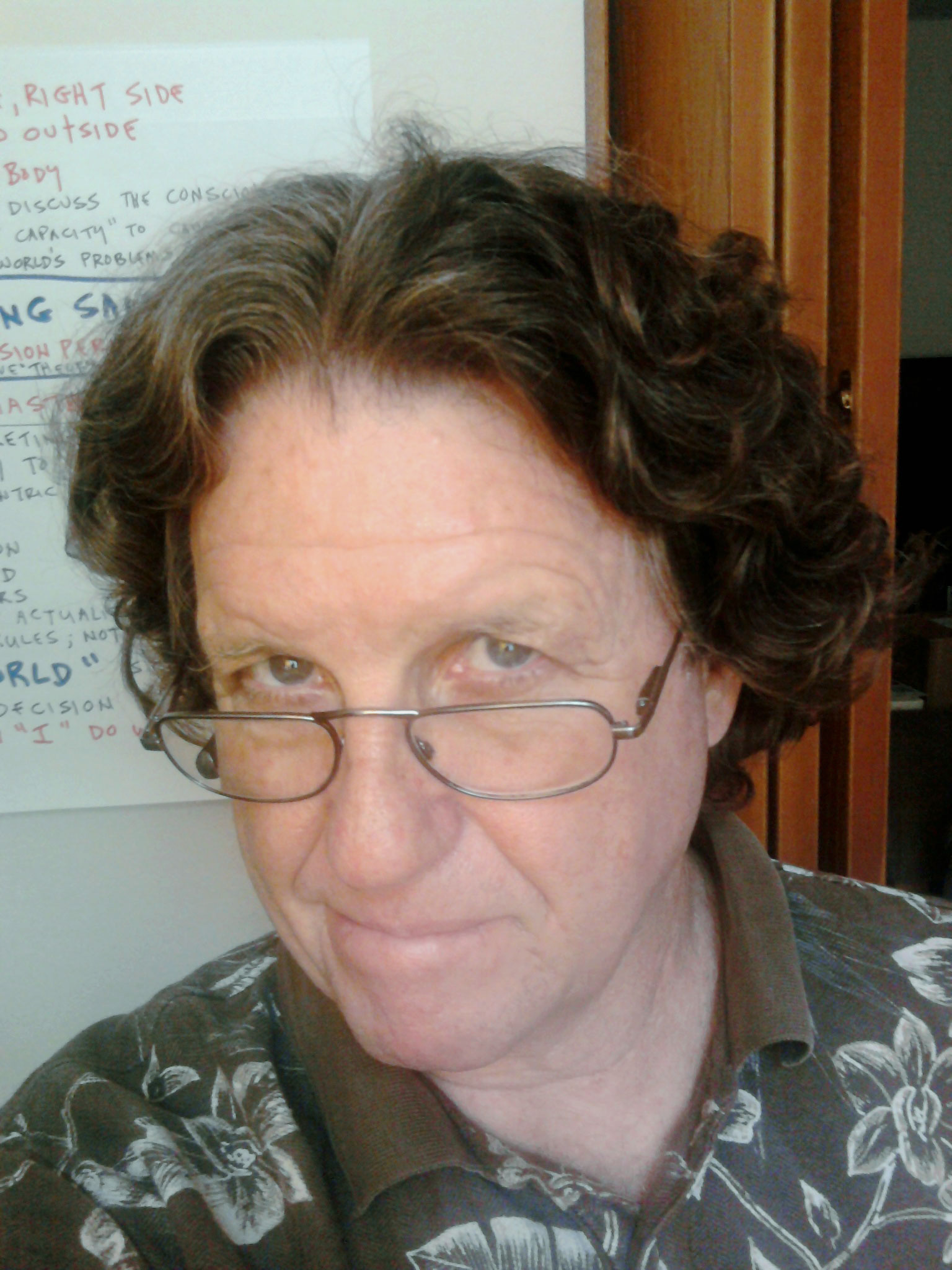
Bruce Vann is a retired USBC silver-level coach and certified corporate performance coach who uses bowling as a lens for lifelong human development. His work draws on decades of experience in athletics, competitive bowling, mentoring, and coaching, including league, tournament, and the West Coast senior tour. Honor scores: 300 game and 834 series. He publishes his methods and ideologies in human development on OptimaBowling.com. The work began with a question he asked in 1968 that still guides him today: What the hell is wrong with this crazy world of ours?
See More: About-Me