As Your Resource For Self-Development
- The Optima Bowling Coach (2025)
Research for Development
(Page Created 1/4/24 Updated 5/27/26)
Within the Optima Bowling World, Research for Development articulates a specific orientation toward inquiry: research not as an accumulation of knowledge but as a means of supporting human development. Here, research is not separated from practice, nor elevated above lived experience. It is embedded within it.
This page explains why development requires research, which types of research are most effective, and how inquiry becomes a practical tool for achieving coherence over time.
Why Research Is Necessary
Human development does not advance automatically. Experience alone does not guarantee learning. Repetition without reflection often reinforces existing patterns rather than reorganizing them.
Research becomes necessary when individuals recognize that effort alone is insufficient, insight does not sustain itself without structure, and development requires feedback that can be studied, not merely endured. From the Optima Bowling World perspective, research provides a way to slow experience just enough to be understood without removing it from reality.
Research as an Extension of Experience
Research for Development does not stand apart from practice. It extends it. Instead of asking: What is the correct method? The developmental question becomes:
- What is happening in my perception, emotion, and action as I practice?
- Where does control stabilize—and where does it collapse?
- What conditions support reorganization rather than repetition?
These questions transform practice into inquiry. The bowler, coach, or learner becomes both participant and observer—without splintering into abstraction.
From Data Collection to Meaningful Feedback
Much conventional research focuses on measurement for its own sake. Data is gathered, analyzed, and reported, often far removed from the conditions that generated it. Research for Development treats data differently. Data is valuable only insofar as it clarifies reference values, reveals persistent error, and informs reorganization.
The aim is not precision for its own sake, but usefulness for development, and applies equally to physical metrics, emotional signals, and reflective insight.
Research and Perceptual Control
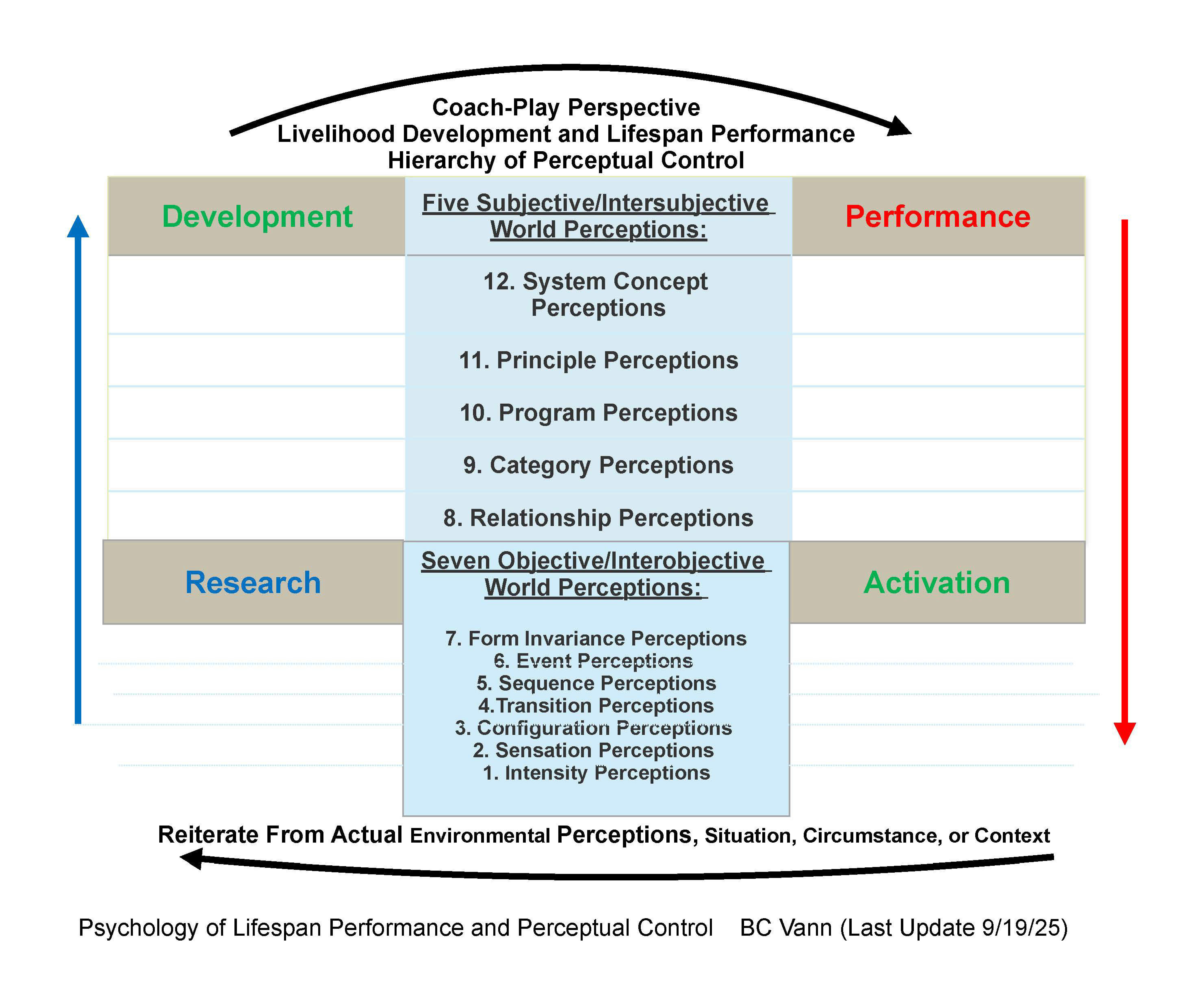
From a Perceptual Control Theory perspective, research serves a specific function: it makes control processes visible. Individuals act to align perception with internal reference values. When that alignment fails, an error appears. Research helps identify which perceptions are being controlled, which reference values are in operation, and where conflict persists.
LPPC extends this understanding across time, showing how reference values evolve as development progresses. Research for Development supports this evolution by providing continuity that links past insight to present experience and future intention.
Inquiry Without Detachment
A common misconception is that research requires detachment, emotional distance, neutrality, or removal from the field of action. Within the Optima Bowling World, detachment is neither possible nor desirable. Inquiry remains situated, grounded in lived conditions, and accountable to consequences that allow learning to proceed without denying human complexity.
What changes is not involvement, but orientation, curiosity replaces judgment, observation replaces reaction, coherence replaces control by force.
Individual and Collective Research
Research for Development operates at multiple levels. Individually, learners study their own patterns of attention under pressure, emotional response to error, shifts in motivation, and meaning.
Collectively, communities of practice examine shared conditions, training environments, cultural norms, feedback structures, and systemic constraints. When individual and collective inquiry align, development accelerates without fragmentation.
Research as a Lifelong Practice
Research for Development is not a phase to be completed. It is a lifelong posture. As reference values mature, new questions emerge. What once worked loses relevance. New forms of inquiry become necessary. This continuity prevents stagnation. It allows learning to remain adaptive without chasing novelty for its own sake.
Reflection Prompt
Consider a practice you engage in regularly. Ask whether you are merely repeating it or actively studying what it reveals about your development. Identify one small change that would turn repetition into inquiry. That shift defines Research for Development.
Back To: Self-Control
Author Bio

Bruce Vann is a retired USBC silver-level coach and certified corporate performance coach who uses bowling as a lens for lifelong human development. His work draws on decades of experience in athletics, competitive bowling, mentoring, and coaching, including league, tournament, and the West Coast senior tour. Honor scores: 300 game and 834 series. He publishes his methods and ideologies in human development on OptimaBowling.com. The work began with a question he asked in 1968 that still guides him today: What the hell is wrong with this crazy world of ours?
See More: About-Me