As Your Resource For Self-Development
- The Optima Bowling Coach (2025)
Wholeness
(Page Created 11/7/20 updated 2/5/26)
Inside the Optima Bowling World, Wholeness does not describe an ideal state, a permanent achievement, or a return to innocence. It names a functional condition, one in which perception, meaning, and action are sufficiently aligned for life to feel workable again. Wholeness is not the absence of difficulty. It is the presence of coherence.
What Wholeness Is, and Is Not
Wholeness is often imagined as a state of constant calm, emotional harmony, spiritual completion, or freedom from conflict. These images set unrealistic expectations and turn wholeness into another standard to fail.
From the Optima Bowling World perspective, wholeness is not perfection, not uniform happiness, not the elimination of tension, and not a final destination. Wholeness is the capacity to integrate experience as it occurs, without fragmenting under pressure.
Wholeness as Restored Alignment
Wholeness emerges when internal reference values are clarified, conflicting demands are resolved or renegotiated, emotional signals are interpreted rather than suppressed, and action once again expresses understanding.
This alignment reduces the need for excessive effort. Attention stabilizes. Recovery quickens. Decision-making becomes simpler not because choices disappear, but because contradictions diminish. Wholeness feels quieter than fragmentation.
The Relationship Between Fragmentation and Wholeness
Fragmentation and wholeness are not opposites. They are developmentally related conditions.
Fragmentation signals that experience has exceeded the system’s capacity for integration. Wholeness emerges when that capacity is rebuilt through reflection, inquiry, and reorganization. In this sense, fragmentation is not the enemy of wholeness. It is often the precondition for it. What matters is whether fragmentation is interpreted or ignored.
Control Reorganized
From a Perceptual Control perspective, wholeness appears when control systems reorganize successfully. Persistent error diminishes. Lower-level effort relaxes. Higher-order reference values regain authority.
Behavior becomes less reactive because it no longer compensates for unresolved conflict. Emotion settles because it is no longer signaling chronic misalignment. Wholeness reflects effective control, not suppression.
Emotional Life in Wholeness
Emotion does not disappear in wholeness. It becomes informative rather than overwhelming. Strong feelings still arise, but they pass through more quickly. Emotional recovery accelerates when signals are acknowledged and acted upon; this is often misinterpreted as emotional detachment, but in reality, it is emotional literacy. Wholeness allows emotion without being governed by it.
Performance as a Marker of Wholeness
Performance often improves when wholeness increases, not because effort intensifies, but because interference decreases.
- Action feels cleaner.
- Timing improves.
- Attention remains present.
- Recovery after an error is shortened.
Within the Optima Bowling World, performance is not the goal of wholeness. It is one of its most reliable indicators.
Wholeness Across Time
Wholeness is not maintained by holding still. It is sustained through ongoing adjustment. Life introduces new demands. Roles change. Capacities evolve. Wholeness requires continual recalibration of purpose, integrity, and experience. Wholeness is best understood as a practice, not a possession.
Why Wholeness Cannot Be Forced
Attempts to impose wholeness through positivity, denial, or premature closure reproduce fragmentation.
Wholeness cannot be willed into existence. It emerges when conditions support honest perception, responsibility without blame, and time for reorganization. Any approach that bypasses these conditions produces only the appearance of integration.
Reflection Prompt
Notice one area of life where things feel easier than they once did. not because demands decreased, but because you handle them differently. Identify what was reorganized.
That change is wholeness in action.
Resource: What are you Doing with your Life? J. Krishnamurti (2001)
Back To: Turmoil of The Psyche
Author Bio
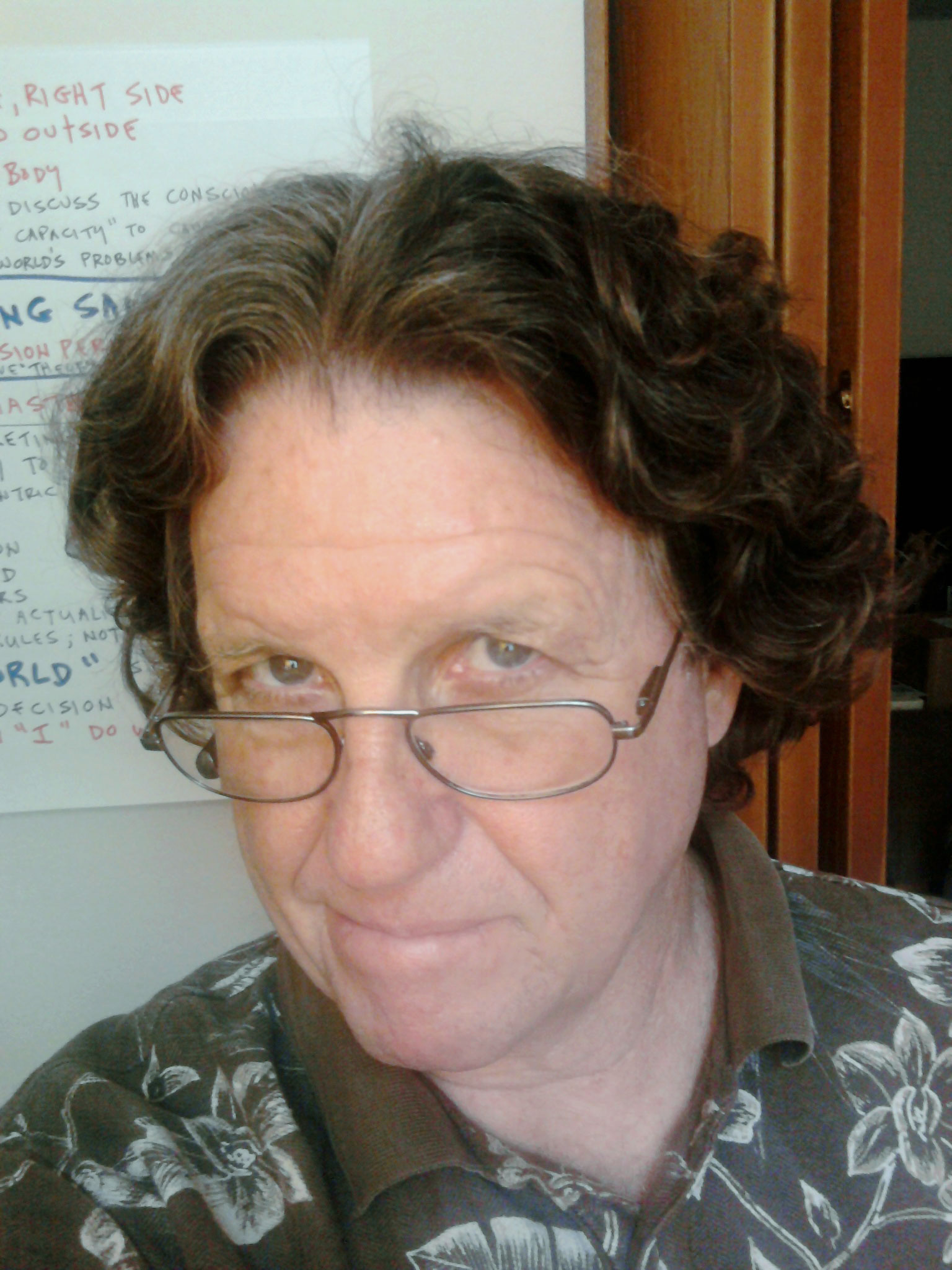
Bruce Vann is a retired USBC silver-level coach and certified corporate performance coach who uses bowling as a lens for lifelong human development. His work draws on decades of experience in athletics, competitive bowling, mentoring, and coaching, including league, tournament, and the West Coast senior tour. Honor scores: 300 game and 834 series. He publishes his methods and ideologies in human development on OptimaBowling.com. The work began with a question he asked in 1968 that still guides him today: What the hell is wrong with this crazy world of ours?
See More: About-Me